Home Varieties Care Guide FAQ Contact

Premium Begonias: Vibrant Blooms for Your Garden

Healthy plants shipped directly to your door. Shop the full range today!

About the Begonia Genus

Begonias constitute one of the largest genera of flowering plants, encompassing over 2,000 recognised species within the family Begoniaceae. First documented by the French botanist Charles Plumier during his expedition to the Caribbean in 1690, the genus was named in honour of Michel Bégon, then Governor of the French colony of Saint-Domingue.

Modern horticultural taxonomy classifies begonias into five principal groups based on root structure: tuberous, fibrous-rooted, rhizomatous, cane-stemmed, and semperflorens. Each group exhibits distinct morphological characteristics that influence cultivation requirements and ornamental applications.


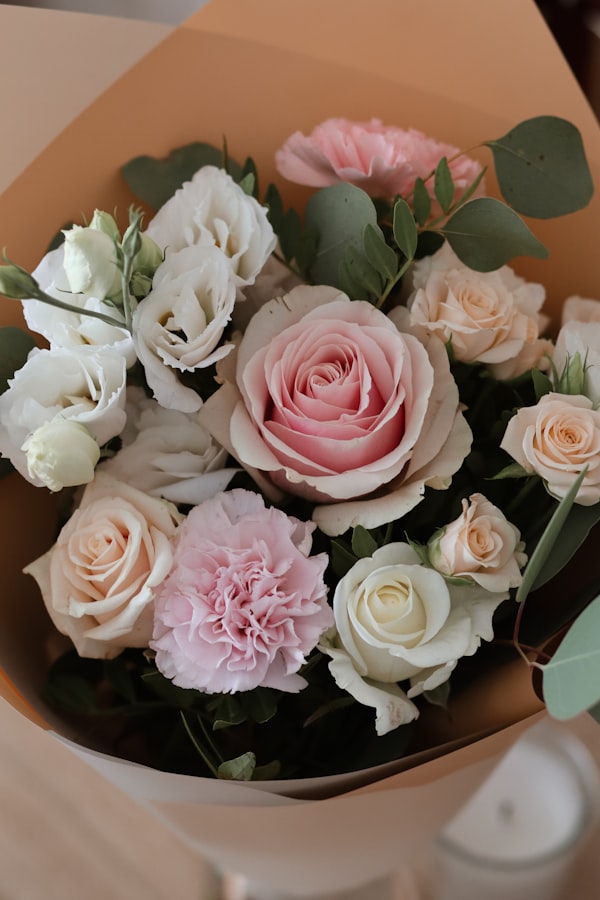
Close-up of vibrant begonia flowers in a garden setting

Notable Varieties

A selection of widely cultivated begonia varieties recognised for their ornamental value and adaptability to garden and container environments.

Tuberous begonia with large rose-like pink flowers

Tuberous Begonias

B. × tuberhybrida

Renowned for their large, rose-like double flowers that can reach 15 cm across. Originally hybridised from Andean species collected in the 1850s, modern cultivars are available in virtually every colour except blue. They grow from tubers that enter dormancy during cooler months.

Bloom: June – October Light: Partial shade
Rex begonia with colourful spiral-patterned foliage

Rex Begonias

B. rex-cultorum

Prized primarily for their dramatic, intricately patterned foliage rather than flowers. Leaves display combinations of silver, purple, pink, and green in spiral and swirl patterns. They thrive in humid environments and are predominantly grown as indoor specimens.

Foliage: Year-round Light: Indirect bright
Angel wing begonia with spotted wing-shaped leaves and flower clusters

Angel Wing Begonias

B. coccinea hybrid

Distinguished by their wing-shaped, often silver-spotted leaves and pendulous flower clusters. Cane-stemmed plants that can reach considerable height when supported. They produce cascading clusters of delicate flowers in shades of pink, red, or white throughout the growing season.

Bloom: Spring – Autumn Light: Bright filtered
Wax begonia bedding display with red and pink flowers

Wax Begonias

B. semperflorens

The most widely planted bedding begonia worldwide, valued for their glossy, waxy leaves and continuous flowering habit. Extremely adaptable, tolerating both sun and shade. Available in white, pink, and red varieties, often with green or bronze foliage.

Bloom: May – First frost Light: Sun to shade

Cultivation & Care Guide

Essential horticultural guidelines for maintaining healthy begonia specimens across different growing conditions.

Light Requirements

Most begonias thrive in bright, indirect light. Direct sunlight can scorch leaves, particularly in rex and rhizomatous varieties. Wax begonias tolerate more sun. East-facing or filtered-light positions are generally optimal. Provide 12–14 hours of bright light daily for best flowering.

Watering

Allow the top 2–3 cm of soil to dry between waterings. Overwatering is the most common cause of begonia failure, leading to root rot and stem collapse. Water at the base to avoid wetting foliage. Reduce frequency significantly during dormancy periods and cooler months.

Temperature & Humidity

Optimal temperature range is 16–24°C. Most species are sensitive to frost and should be protected when temperatures fall below 10°C. Maintain humidity levels between 50–70% for best results. Group plants together or use humidity trays to create favourable microclimates.

Soil & Fertilisation

Use a well-draining, peat-based potting mix amended with perlite. A ratio of 2:1:1 (peat, perlite, vermiculite) provides suitable aeration and moisture retention. Apply a balanced liquid fertiliser (10-10-10) at half-strength fortnightly during the active growing season.

Pruning & Maintenance

Remove spent flowers and yellowing leaves regularly to encourage continuous blooming and prevent fungal issues. Pinch growing tips on young plants to promote bushier growth. Cut back leggy cane-stemmed varieties by one-third in early spring to maintain compact form.

Common Issues

Powdery mildew occurs in poorly ventilated conditions — improve air circulation and avoid overhead watering. Mealybugs and spider mites are the most common pests; treat with insecticidal soap. Brown leaf edges typically indicate low humidity or inconsistent watering patterns.

Historical Timeline

Key milestones in the discovery, classification, and horticultural development of the begonia genus.

1690

First Scientific Documentation

Charles Plumier documents begonias during his Caribbean expedition, naming the genus after Michel Bégon.

1777

European Introduction

Begonia grandis, the first hardy begonia, is introduced to European gardens from China and Japan.

1858

Tuberous Species Discovered

Richard Pearce collects the first tuberous begonia species from the Bolivian Andes for the Veitch nursery.

1870s

Hybridisation Era Begins

European hybridisers develop the first large-flowered tuberous cultivars, launching commercial begonia production.

1920s

Wax Begonias Popularised

B. semperflorens cultivars become widely available as bedding plants, transforming public garden design.

2026

Modern Classification

Over 2,000 species now recognised, with ongoing molecular research continuing to reveal new species and reclassify existing ones.

Classification by Root Structure

The five principal groups of cultivated begonias, classified by their root morphology and growth habits.

Group Root Type Primary Feature Typical Use Hardiness
Tuberous Tuber Large, showy double flowers Containers, hanging baskets Tender; dormant in winter
Fibrous Fibrous roots Continuous flowering Bedding, borders Tender annual
Rhizomatous Rhizome Decorative foliage Indoor specimen Tender; evergreen
Cane-stemmed Fibrous roots Bamboo-like stems, spotted leaves Indoor focal plant Tender; evergreen
Semperflorens Fibrous roots Waxy leaves, compact habit Mass planting, edging Tender; treat as annual

Botanical Quick Facts

2,002+
Recognised Species
Tropical
Native Regions
Begoniaceae
Plant Family
1638–1710
Michel Bégon
Editorial Note — The information presented on this site is compiled from peer-reviewed horticultural sources and verified botanical databases, including the World Checklist of Selected Plant Families (WCSP) maintained by the Royal Botanic Gardens, Kew. Species counts and taxonomic classifications reflect data available as of April 2026 and are subject to revision as new research is published.